
ABM for AI vendors: how to reach named UK accounts
Account-based marketing (ABM) for an AI vendor means choosing a short list of UK organisations that fit. You then...
Read more
Skills was a hot topic at aiblLIVE, but it’s fair to say that many of us aren’t sure what skills we want or need. The typical thinking is that L&D is an HR responsibility. Poll the company, interview managers, and plan some training. But take a step back and you realise that this is a strategy issue.
In a recent HBR study of SMBs, the single most common barrier to AI skills building wasn’t cost or competition for talent. It’s that 56% expect difficulty working out which AI skills the organisation needs at all. HBR attributes this to firms being early in defining use cases.
It’s hard to write a job spec or skills assessment for work that’s getting redesigned if you don’t have a high-level view of why and how. aibl’s own data shows the high cost of low clarity. Firms where five out of five managers would name the same top three AI priorities report measurable ROI at 79%. Where only three would agree, the figure is 37%.
If managers can’t agree on what AI is for, HR has nothing to hire or train against. The skills question gets answered in the strategy meeting, then handed to talent. For business leaders, this reframes the “AI talent shortage” as a definition problem that’s sitting on executives’ desks. It also suggests the 5 Managers Test may be the cheapest skills audit available.

Account-based marketing (ABM) for an AI vendor means choosing a short list of UK organisations that fit. You then...
Read more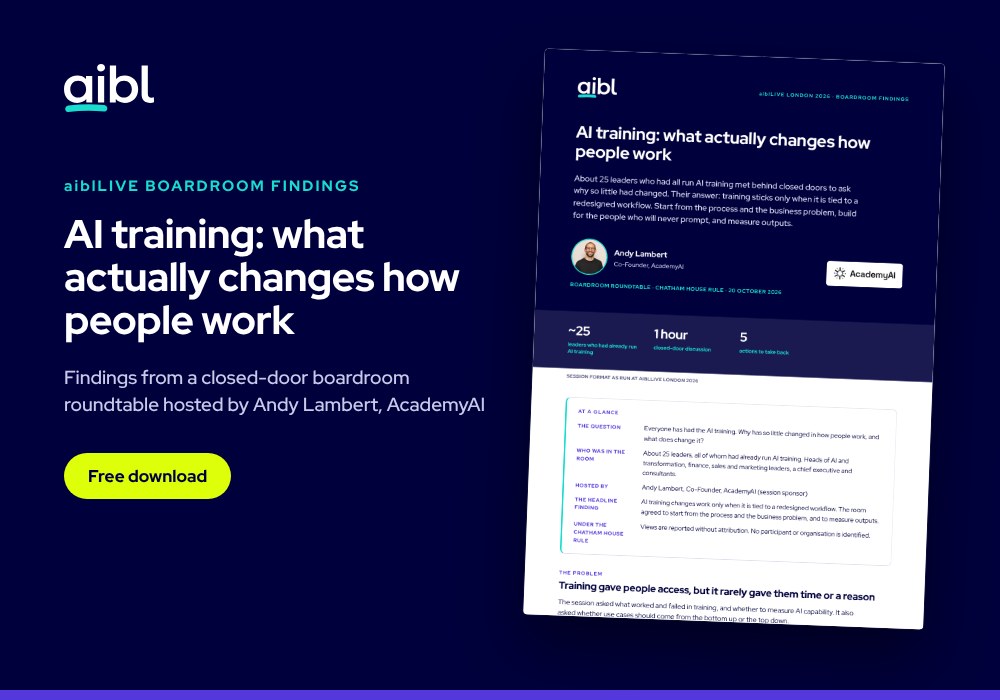
AI tools go unused because they are added to jobs that haven't changed. People get a licence and a training...
Read more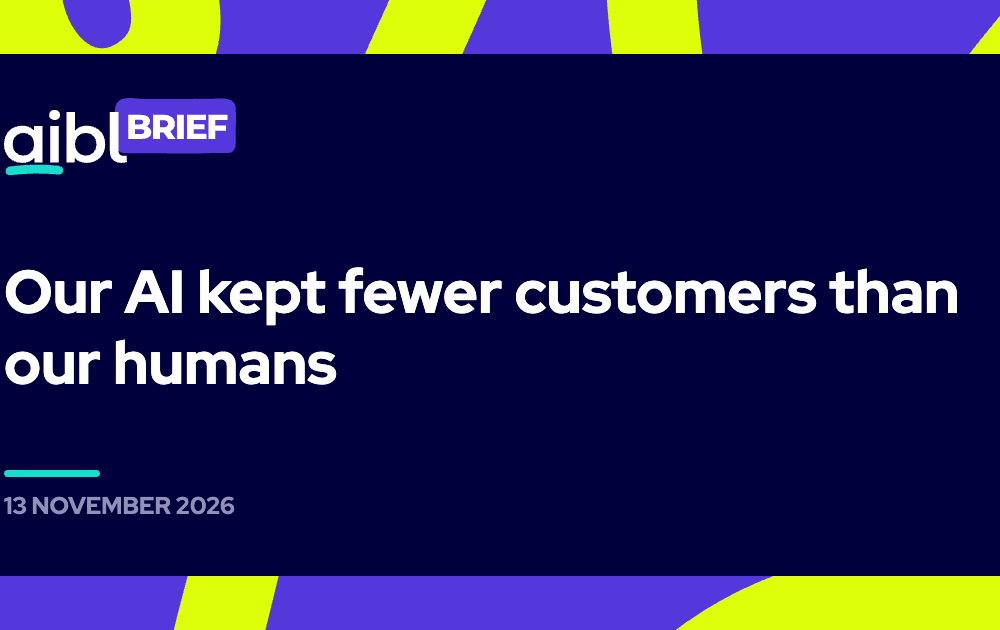
Our AI kept fewer customers than our humans PLUS: 61% of AI wins followed a failure...
Read moreGet ahead with the most actionable insights, playbooks and real-world AI use cases you can adopt right now, in your inbox every week