
aiblLIVE London 2026: what our AI conference taught us about making AI work
aiblLIVE London 2026 was the AI conference we spent a year building, and on 20 October it came together. The...
Read moreMost UK boards have already decided to invest in AI. The harder question is whether they can show it is working. In aibl’s survey of 755 UK mid-market business leaders, 82.5% have an active board mandate to invest in AI in 2026, yet only 54% of the CEOs, MDs and C-suite leaders in the survey can show a measurable return. A further 35% see value they have not yet measured.
The difference comes down to two decisions only the CEO can make: who owns AI, and whether governance is applied or just written down.
68% of UK mid-market CEOs and C-suite leaders describe themselves as in momentum or all-in on AI, and only 5% express caution. 55% already have AI embedded across several teams. At board level, the question of whether to invest has been answered.
The reasons for investing shape how hard the return is to prove:
Only 2% of senior leaders say AI has fallen short. The problem is not failure. It is the missing measurement that turns visible improvements into a number the board accepts.
Ownership predicts the return more than any other factor in the survey. Among senior leaders, measurable ROI by ownership model is:
Where nobody owns AI, shadow AI rises to 71%. When the person accountable for AI also has board authority, programmes move faster and measure better. Our analysis of who should own AI covers the full ownership data.
Only when it is applied. Senior leaders with a written policy that is not consistently followed report 34% measurable ROI, almost the same as those with no governance at all (32%). Once the policy is enforced across the organisation, the figure rises to 62%. Where governance is mature and built into how the business runs, it reaches 85%.
That makes the move from a written policy to an enforced one the biggest lever a CEO has on AI returns, and it needs no extra AI spend. Our piece on how governance drives AI ROI sets out the full ladder.
The best-performing leaders bring AI to the board every quarter as a standing item, not a line in the IT report. A useful board update covers three things:
If you are in the 35% seeing value you cannot yet measure, start by adding measurement to your three busiest AI workflows. Define what success looks like in each and report it to the board each quarter. Our guide to building an AI business case your CFO will approve shows how to write the metric in first.
Partners listed under AI Strategy and Readiness in the aibl AI Enablement Directory help leadership teams set priorities and build the business case. Those under AI Governance and Risk help turn a written policy into one that is followed. Before you shortlist, read our guide on how to choose an AI implementation partner, and ask each one for a CEO-level reference at a business of your size.
Go deeper: the free AI Strategy for CEOs 2026 playbook has the governance ladder and a 90-day plan for each level. aiblLIVE brings CEOs and their leadership teams together to compare what is working.
Name one person at executive level who is accountable for AI outcomes across the business. Then check whether your AI policy is followed, by asking each function head to describe the process in their own words and comparing the answers. Put AI on the board agenda every quarter, with outcomes measured against a baseline.
The CEO or a member of the C-suite. In aibl’s survey of 755 UK mid-market business leaders, senior leaders who own AI directly report 66% measurable ROI. Where nobody owns AI, the figure falls to 11% and shadow AI rises to 71%.
Only when it is followed. Senior leaders with a written policy that is applied inconsistently report 34% measurable ROI, close to those with no governance. An enforced policy lifts that to 62%, and mature governance to 85%.
82.5% of the 755 UK mid-market business leaders in aibl’s survey have an active board mandate to invest in AI in 2026. 68% of CEOs and C-suite leaders describe themselves as in momentum or all-in.
Governance maturity in each function, outcomes measured against a baseline set before deployment, and exposure such as shadow AI and incidents. The best-performing leaders report this every quarter as a standing item.
This is the CEO and board cut of State of UK AI Adoption 2026, aibl’s benchmark of 755 UK mid-market business leaders, in partnership with Executive Summary. The full report covers every function, the governance ladder behind these numbers, and the four moves that separate the firms proving a return from the rest.
Read the full State of UK AI Adoption 2026 report →
If you are accountable for AI across the business, the AI Enablement Directory lists UK partners by category, including AI strategy and readiness, and AI governance and risk. New findings land each Friday in aiblBRIEF, our free weekly newsletter.
About the research: the State of UK AI Adoption Survey 2026 was run with aibl’s research partner Executive Summary. It covers 755 UK mid-market business leaders in organisations with revenues of £50m to £500m, fielded January to March 2026. Every figure above describes the leaders surveyed.
For more on how UK leadership teams are putting AI to work, explore our AI insights for CEOs and boards.
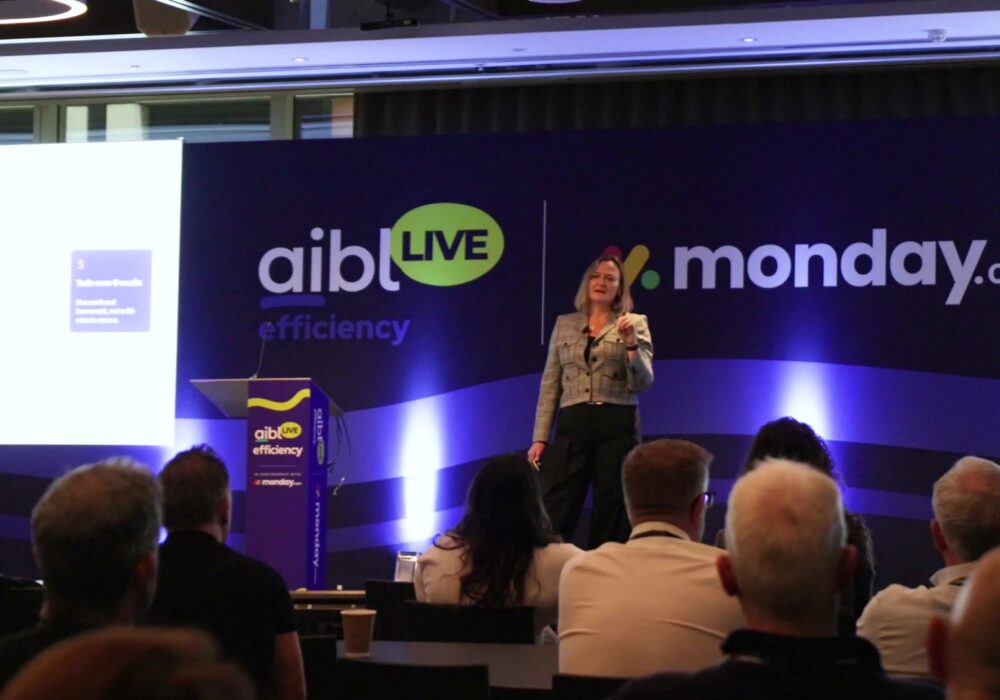
aiblLIVE London 2026 was the AI conference we spent a year building, and on 20 October it came together. The...
Read more
Almost every UK organisation now has AI running somewhere. Very few have scaled it. In aibl's survey of 755 UK...
Read more
Technology and IT teams get more from AI than any other function. In aibl's survey of 755 UK mid-market business...
Read moreGet ahead with the most actionable insights, playbooks and real-world AI use cases you can adopt right now, in your inbox every week