

workforceLIVE: What the data says about AI ROI and organisational readiness
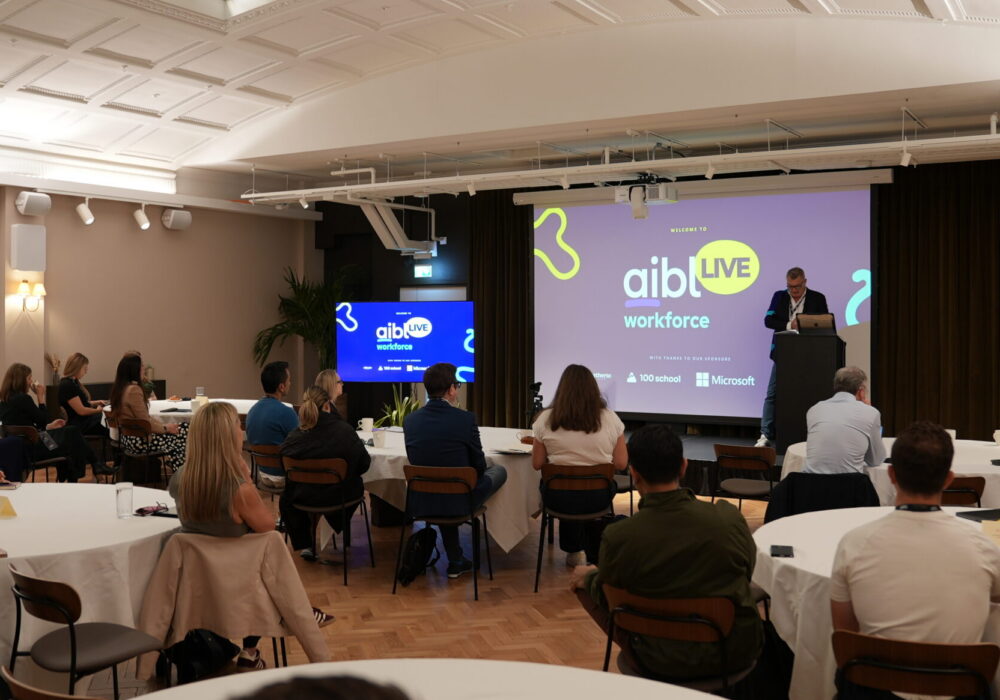
Last week we hosted aibl’s first workforceLIVE event in London, focusing on Capabilities, Culture and...
Read moreA mid-market brand used an agent to generate 500 product descriptions, finishing the first draft in under an hour.
A junior marketing manager was asked to review the copy. By the third description, problems were obvious.
‘Delve into a world of comfort.’
‘Unleash the power of sustainable living.’
What should have been a quick check became a week of manual editing. The manager fixed the same errors on a loop: stripping clichés, tightening tone, and adding back mandatory details.
The agent hadn’t saved work; it had just shifted it to expensive human oversight.
The team believed a prompt could guarantee on-brand content. Managers saw coherent text and assumed the job was done. It failed for two reasons.
The Fix: Treat Brand Voice as a System
A Brand Constitution is a set of machine-readable rules that define how the brand speaks. A second agent enforces them.
| Category | Rule |
| CORE PRINCIPLE | Helpful expert, not a pushy salesperson. Confident, clear, respects the reader’s intelligence. |
| AUDIENCE ASSUMPTION | Assume the reader is smart, busy, and has done basic research. Get to the point. |
| FORBIDDEN PHRASES | ‘delve into’, ‘unleash the power’, ‘game-changer’, ‘in today’s fast-paced world’ |
| MANDATORY ELEMENTS | Product descriptions must state material and country_of_origin. |
| SENTENCE STRUCTURE | Average sentence length under 15 words. No more than two consecutive sentences start with the same word. |
| TONE GUARDRAIL | Avoid hedging language (might, could). Use active voice. |
| Violation | Severity | Result | Feedback |
| Forbidden phrase | HIGH | FAIL | ‘The draft used “delve into” in paragraph 2. Rewrite to be more direct.’ |
| Missing element | HIGH | FAIL | ‘The description is missing country_of_origin. Add this information.’ |
| Structure issue | LOW | PASS | ‘Three sentences exceed 15 words. Consider breaking them up.’ |
| No violations | N/A | PASS | ‘Draft approved. Ready for human review.’ |
1. Codify the Brand Voice
Gather your top 20 best-performing emails, product pages, or articles. Feed them into a model and extract the rules that already exist but are undocumented.
Prompt: “I am pasting 20 examples of our best writing. Analyse the tone, sentence structure, and vocabulary. Output a structured ‘Brand Constitution’ with the following fields:
Refine the output with your CMO or Brand Lead. Instinct becomes syntax.
2. Build the Critic Agent
Its role is narrow. Do not let it write.
System Prompt:
Role: You are the Brand Critic. You do not write. You only grade.
Input: A draft product description.
Context: [PASTE BRAND CONSTITUTION HERE]
Task: Check the draft against the Constitution.
Output: Provide a structured response with the following fields: status (either “PASS” or “FAIL”), violations (a list of specific rules broken), and feedback (instructions for the writer).
3. Connect the Loop
Use an orchestration tool (like Make or Zapier) to wire the agents together.
Only drafts that fail twice are escalated.
4. Review Exceptions, Not Drafts
At that point, editors stop reviewing drafts. They review decisions. On a weekly cadence, they scan critic failures and spot-check passes. When patterns emerge, they update the Constitution. Humans stop fixing copy. They maintain the system that governs it.
By separating creation from critique and by building a self-healing loop, agents don’t just generate volume. Value comes from the loop itself. Humans stop fixing repetitive errors and start improving the rules of the game. Speed increases while the brand stays protected.
Last week we hosted aibl’s first workforceLIVE event in London, focusing on Capabilities, Culture and...
Read more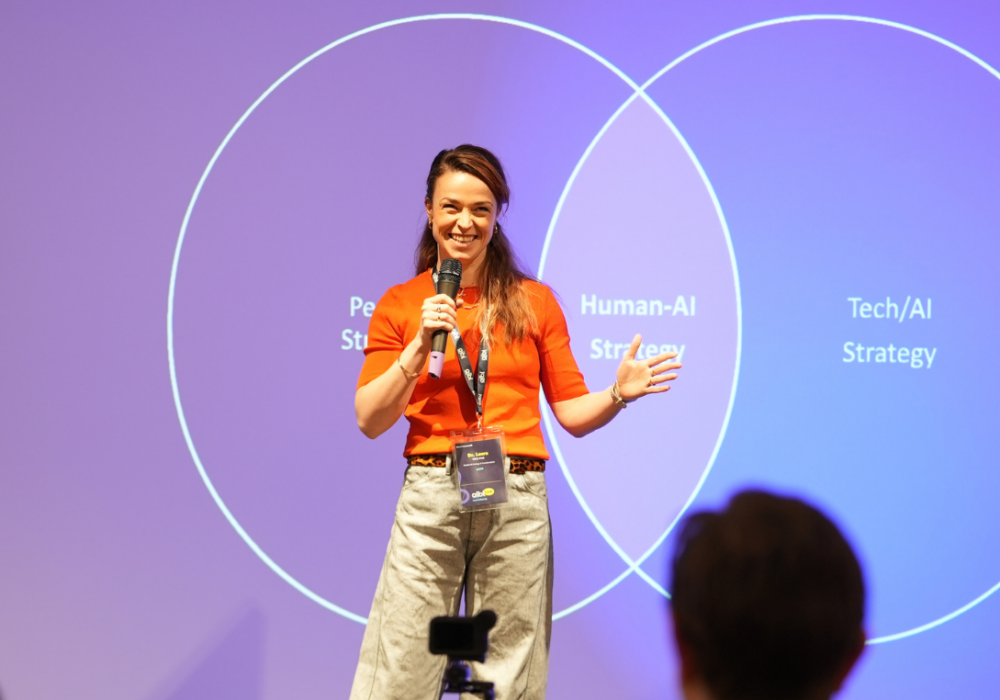
Most organisations have invested in AI tools over the last three years. About half of them are still waiting for...
Read more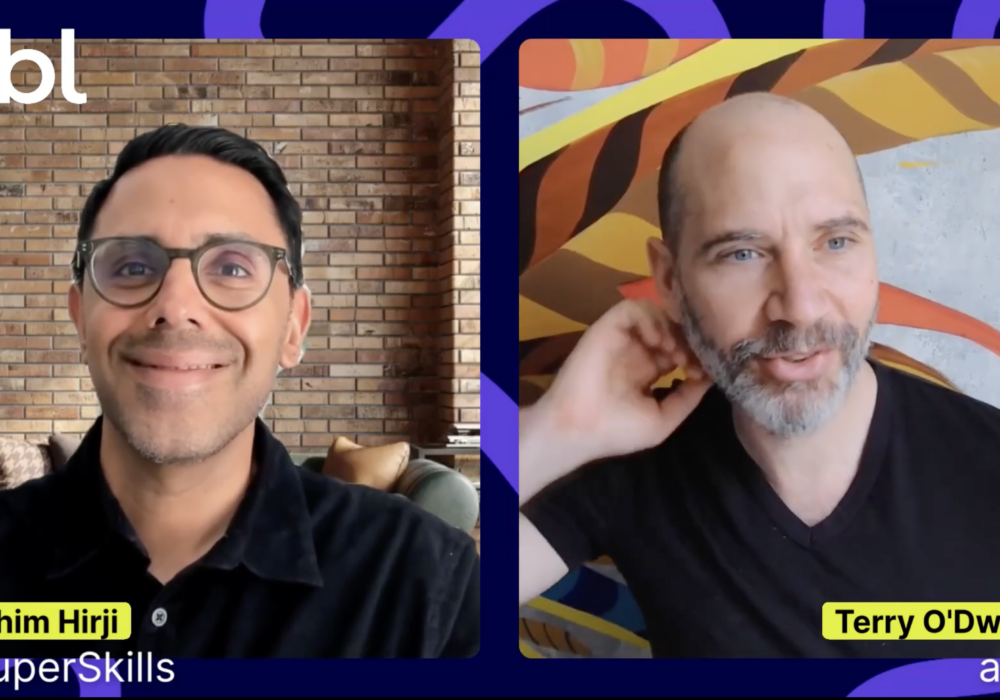
Rahim Hirji, founder of Superksills, thinks we’re missing something profound in our approach to AI...
Watch videoGet ahead with the most actionable insights, playbooks and real-world AI use cases you can adopt right now, in your inbox every week